
Canoeing at the 2024 Summer Olympics
Sixteen events with shortened distances and debut of kayak cross.

Felouch Kotek · CC0
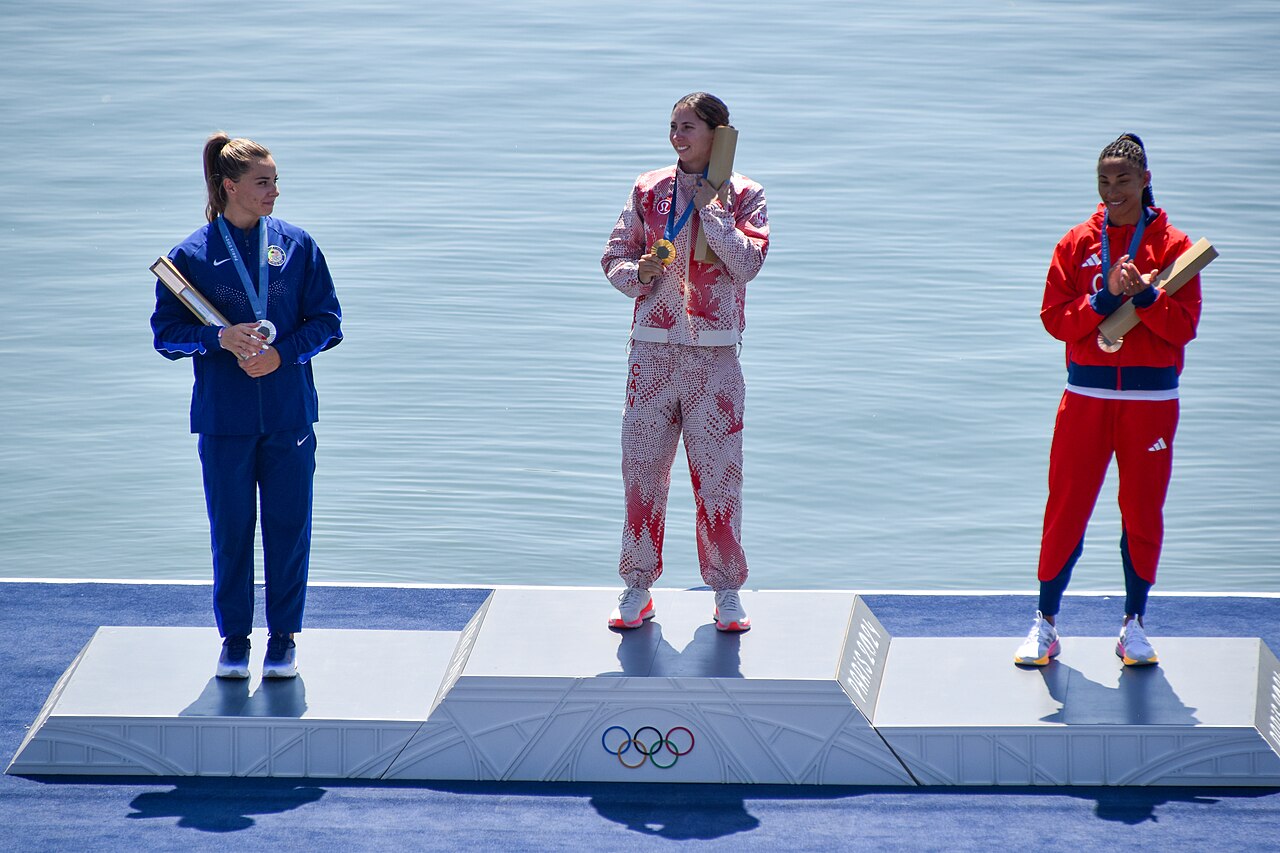
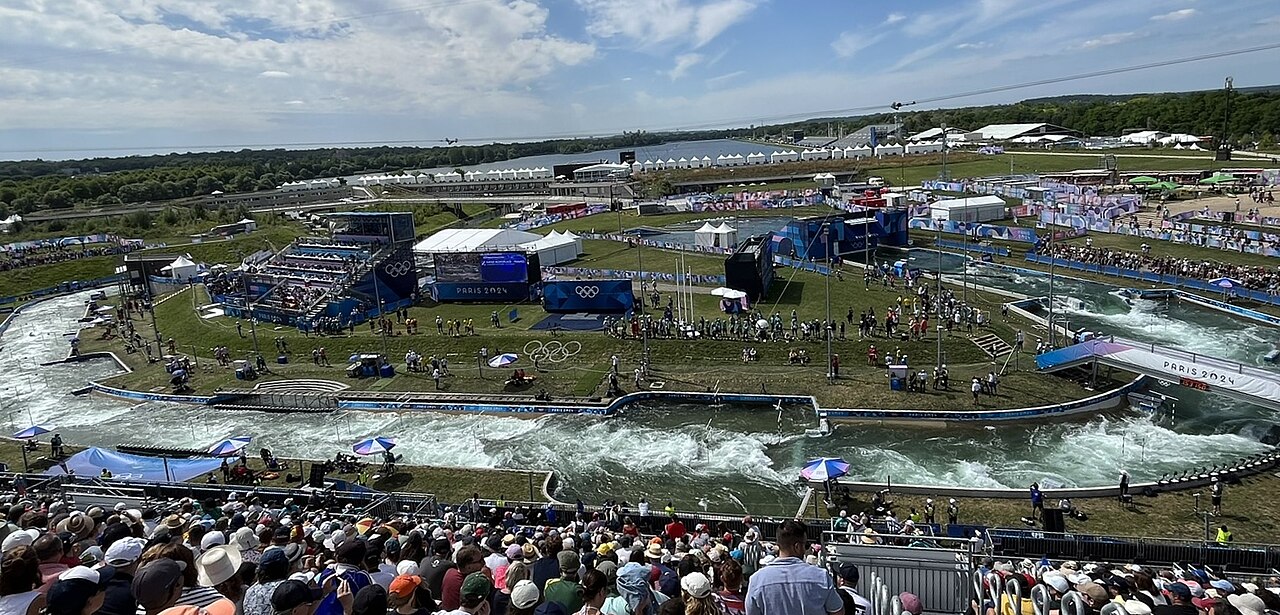
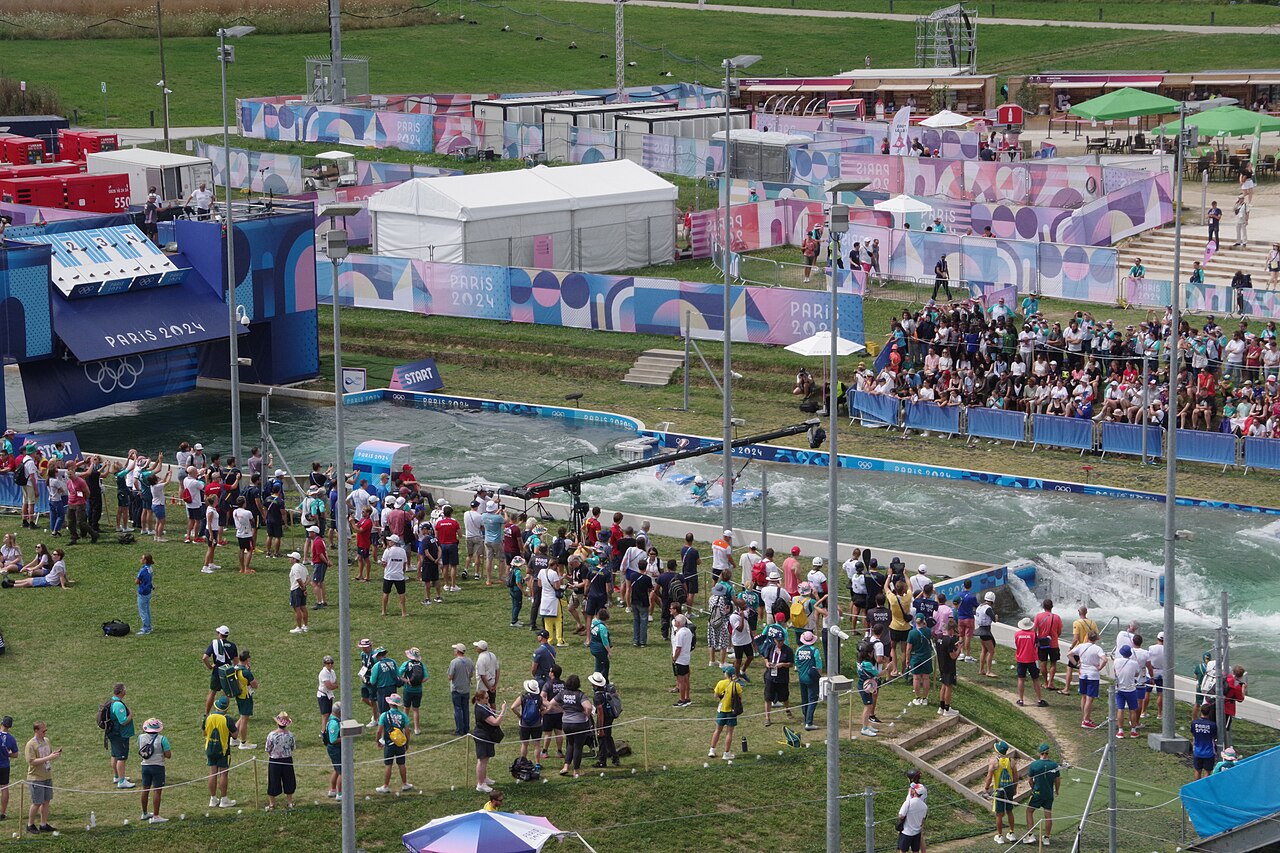
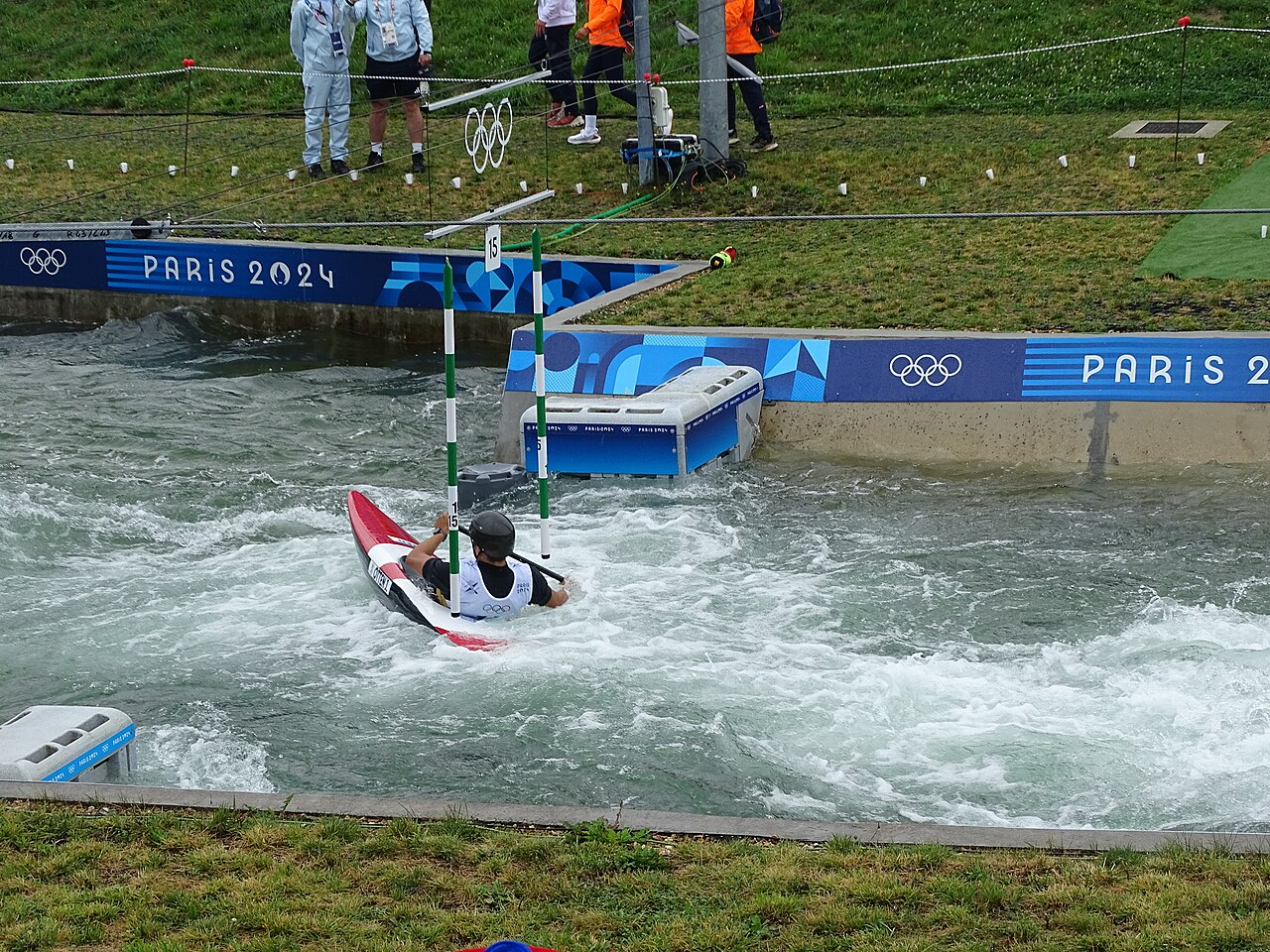
The canoeing program at the 2024 Summer Olympics in Paris was split into two disciplines: slalom (27 July to 5 August) and sprint (6 to 10 August). Both took place at the Stade d'eau vive Vaires-sur-Marne, the National Olympic Nautical Stadium of Île-de-France in Vaires-sur-Marne. Sixteen events were contested, with notable adjustments to the lineup. The men's C-2 and K-2 1000-metre events were shortened to 500 metres. Additionally, the men's and women's slalom kayak cross events debuted, replacing the men's and women's C-1 slalom events as part of a push for gender equality. A new qualification system was introduced by the International Olympic Committee and the International Canoe Federation. In total, 255 boats (236 athletes) from 58 National Olympic Committees competed.
- participants
- 255 boats, 236 canoeists or kayakers from 58 NOCs
Lore & Background
The 2024 Summer Olympics canoeing program introduced several changes. The men's C-2 and K-2 1000 metres were shortened to 500 metres, rather than being replaced by entirely new events. Paris 2024 also marked the debut of the men's and women's slalom kayak cross event, substituting the men's and women's C-1 slalom races, as part of the Olympic movement toward gender equality.
Reader's Guide
The canoeing program at the 2024 Summer Olympics represented a shift toward gender parity and event modernization. By replacing the men's C-2 and K-2 1000 metres with 500-metre races, the program aligned distances across genders. The introduction of slalom kayak cross, a new discipline, replaced the short sprint races and added a dynamic, head-to-head format. These changes reflected ongoing efforts by the International Olympic Committee and International Canoe Federation to update the sport. The events drew 300 athletes from 58 National Olympic Committees, competing in 255 boats. The venue, a single location for both slalom and sprint, provided a centralized competition site. The medal table highlighted the host nation France, though specific medal counts are not detailed in the source.
Did You Know?
- A total of 255 boats and 236 canoeists or kayakers from 58 NOCs competed.
Canoeing's Place in the Paris Programme
The Games of the XXXIII Olympiad unfolded in Paris, France, spanning from 26 July to 11 August 2024, with some preliminary competition already underway from 24 July. Within that roughly two-week window, athletes from 206 National Olympic Committees contested 329 medal events spread across 32 sports and 48 distinct disciplines. Canoeing occupied one of those discipline slots, sharing the Olympic stage with everything from the newly introduced breaking to returning events like skateboarding and sport climbing. The sheer breadth of the programme meant that canoeing athletes competed alongside swimmers, gymnasts, and breakdancers in a single, unified festival of sport. For the paddlers on the water, the backdrop was a city that had hosted the modern Games before, yet this edition carried its own identity—marked by a record number of participating nations and a medal structure that would produce some of the most unusual results in Olympic history.
A Rare Tie in the Women's K-2 500 Metres
One of the most distinctive outcomes in the entire 2024 medal table came from the women's K-2 500 metres canoeing event, where a tie at the finish line meant that two bronze medals were awarded rather than the usual single bronze. This was not an isolated anomaly in Paris. The men's 100 m breaststroke produced a tie that resulted in two silver medals and no bronze at all, while the women's high jump and the men's horizontal bar gymnastics event also each saw two bronze medals handed out because of tied finishes. In the broader context of the Games, such tied outcomes stood in contrast to combat sports like boxing, judo, taekwondo, and wrestling, where the rules inherently guarantee two bronze medals through semi-final losers or repechage systems. For the canoeing paddlers involved in that K-2 500 metres tie, the result meant that the official medal count for their nation reflected a shared bronze rather than a single one—a small but notable wrinkle in an otherwise straightforward podium.
The Medals Around Their Necks
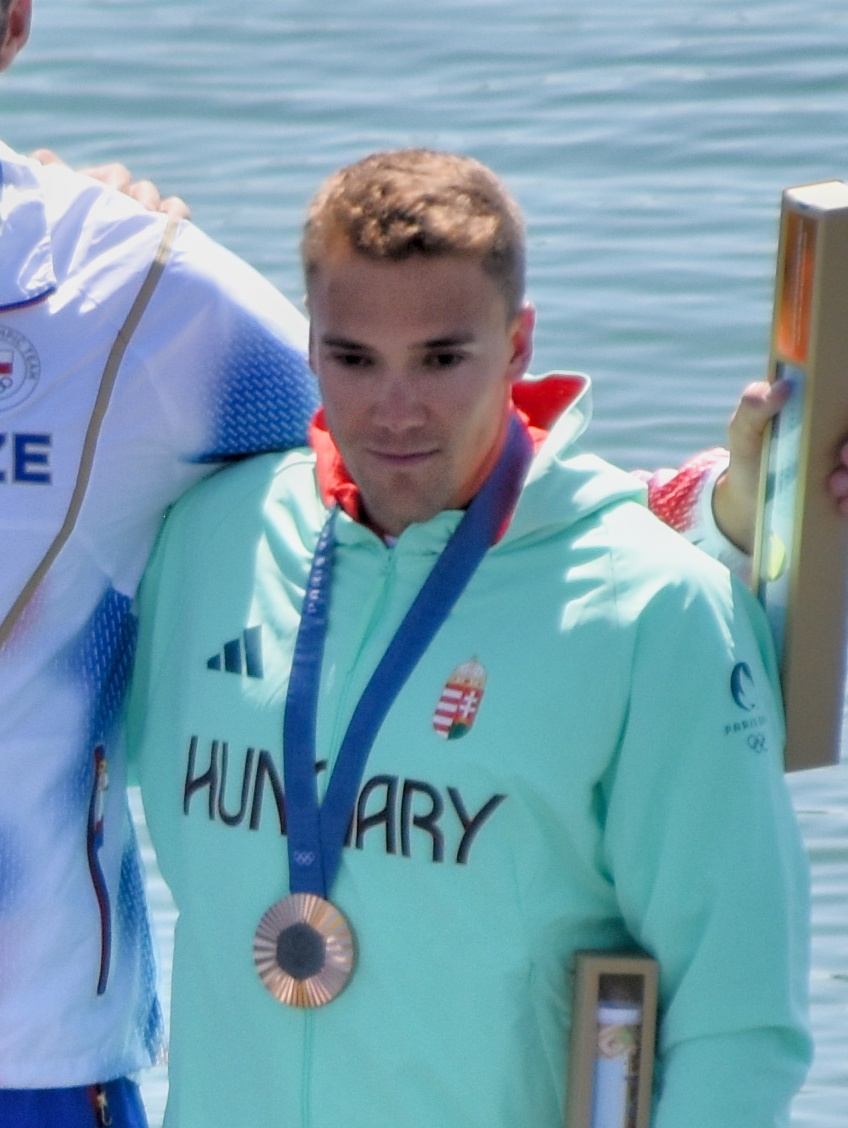
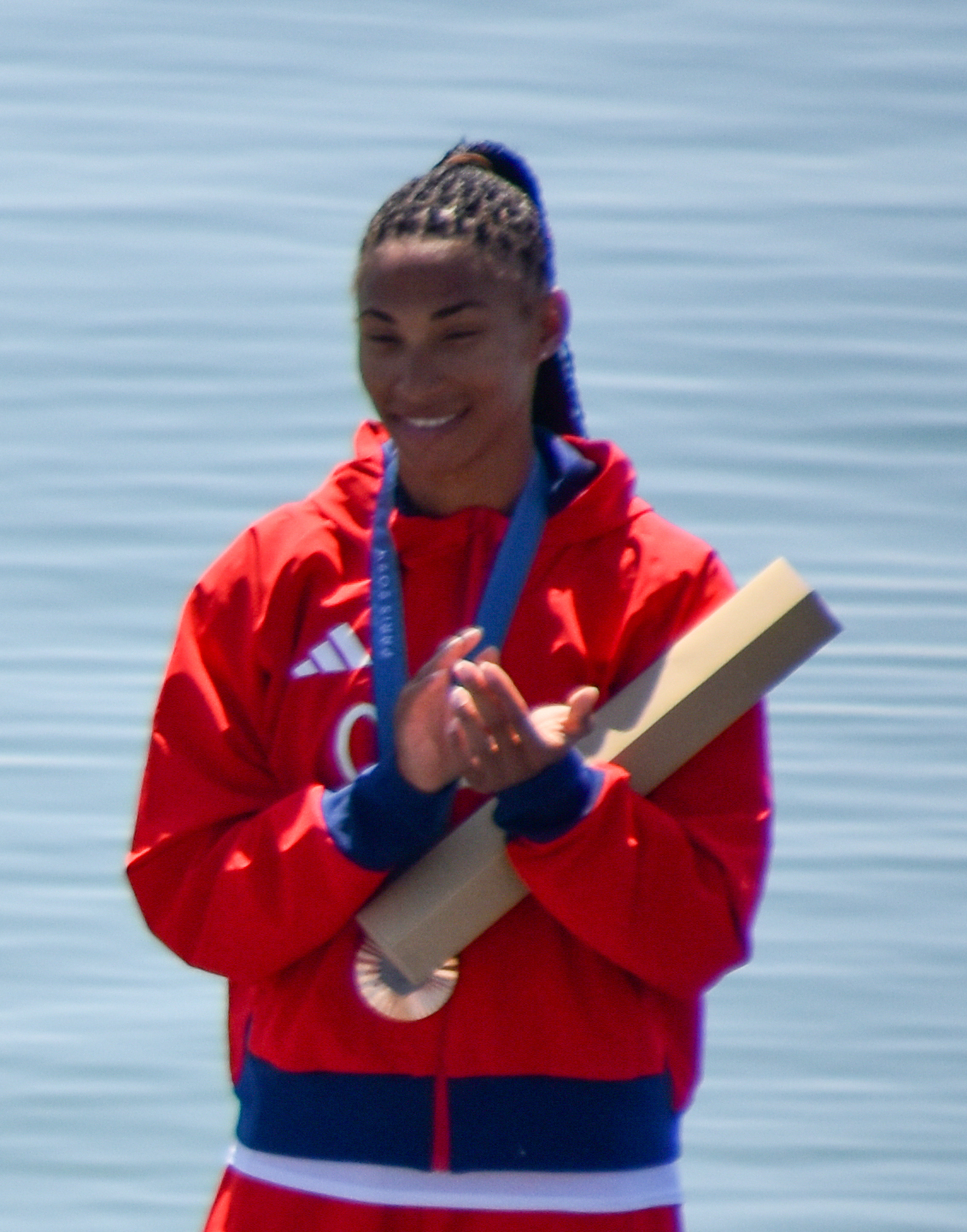
Every canoeing athlete who stood on a podium in Paris received a medal crafted by Monnaie de Paris, the French national mint, and designed by Chaumet, a luxury jewellery house based in the city. Approximately 5,084 such medals were produced for the Games. The obverse carried a small hexagon-shaped token of scrap iron salvaged from the original construction of the Eiffel Tower, with the Games' logo engraved into the metal. The reverse depicted Nike, the Greek goddess of victory, set within the Panathenaic Stadium that hosted the first modern Olympics in 1896, with the Parthenon and the Eiffel Tower visible in the background. Each medal measured 85 mm in diameter, 9.2 mm in thickness, and weighed between 455 and 529 grams. The gold medals were composed of 98.8 percent silver and 1.13 percent gold, while the bronze medals were an alloy of copper, zinc, and tin. The designs were unveiled in February 2024 by Organizing Committee President Tony Estanguet.
Canoeing in the Broader Medal Landscape
The 2024 Games produced a medal table that defied easy hierarchy. The United States topped the standings for the fourth consecutive Summer Games with 40 gold and 126 total medals, but China matched that gold count with 40 of its own, finishing second on total medals with 91. It was the first time in Summer Olympics history that the two most successful nations finished level on gold. In all, 92 National Olympic Committees collected at least one medal, and 64 of those won at least one gold. Historic firsts dotted the table: Botswana, Dominica, Guatemala, and Saint Lucia each claimed their nation's first Olympic gold, while Albania, Cape Verde, Dominica, and Saint Lucia earned their first Olympic medals of any colour. The Refugee Olympic Team also secured its first-ever medal. The official table, as published by the IOC, sorts nations first by gold count, then silver, then bronze, with alphabetical IOC country code used as a final tiebreaker—a system that placed canoeing's contributions within a much larger global picture of achievement.
Gallery
Frequently Asked Questions
Where did the canoeing events take place at the 2024 Paris Olympics?
All sixteen canoeing races were staged at the Stade d'eau vive Vaires-sur-Marne, which serves as the National Olympic Nautical Stadium for the Île-de-France region. The venue hosted both the slalom and sprint disciplines during the July–August competition window.
How many canoeing events were contested at the 2024 Summer Olympics?
A total of sixteen medals were on the line, split between the two Olympic disciplines of canoe slalom and canoe sprint. Slalom ran from 27 July through 5 August, while sprint events followed from 6 to 10 August.
What new event made its Olympic debut in canoeing at Paris 2024?
The men's and women's slalom kayak cross events were introduced for the first time at these Games. They took the place of the former men's and women's K-1 200-metre sprint races in the overall event lineup.
What distance changes were made to the canoe sprint program for the 2024 Olympics?
The men's C-2 and K-2 events that had previously covered 1,000 metres were trimmed down to 500 metres in Paris. This adjustment brought the men's two-person distances in line with the distances already used for the women's equivalent races.
How many athletes and nations participated in canoeing at the 2024 Olympics?
Roughly 300 canoeists and kayakers representing 58 National Olympic Committees entered the competition. They fielded a combined 255 boats across the slalom and sprint events.
More in Canoeing at the Summer Olympics 1-23
Spotted an error? Know more?
This is a living reference — every entry is fact-audited, and reader corrections feed straight into our audit queue. Suggest an edit · See this site's audit record