
Canoeing at the 2012 Summer Olympics
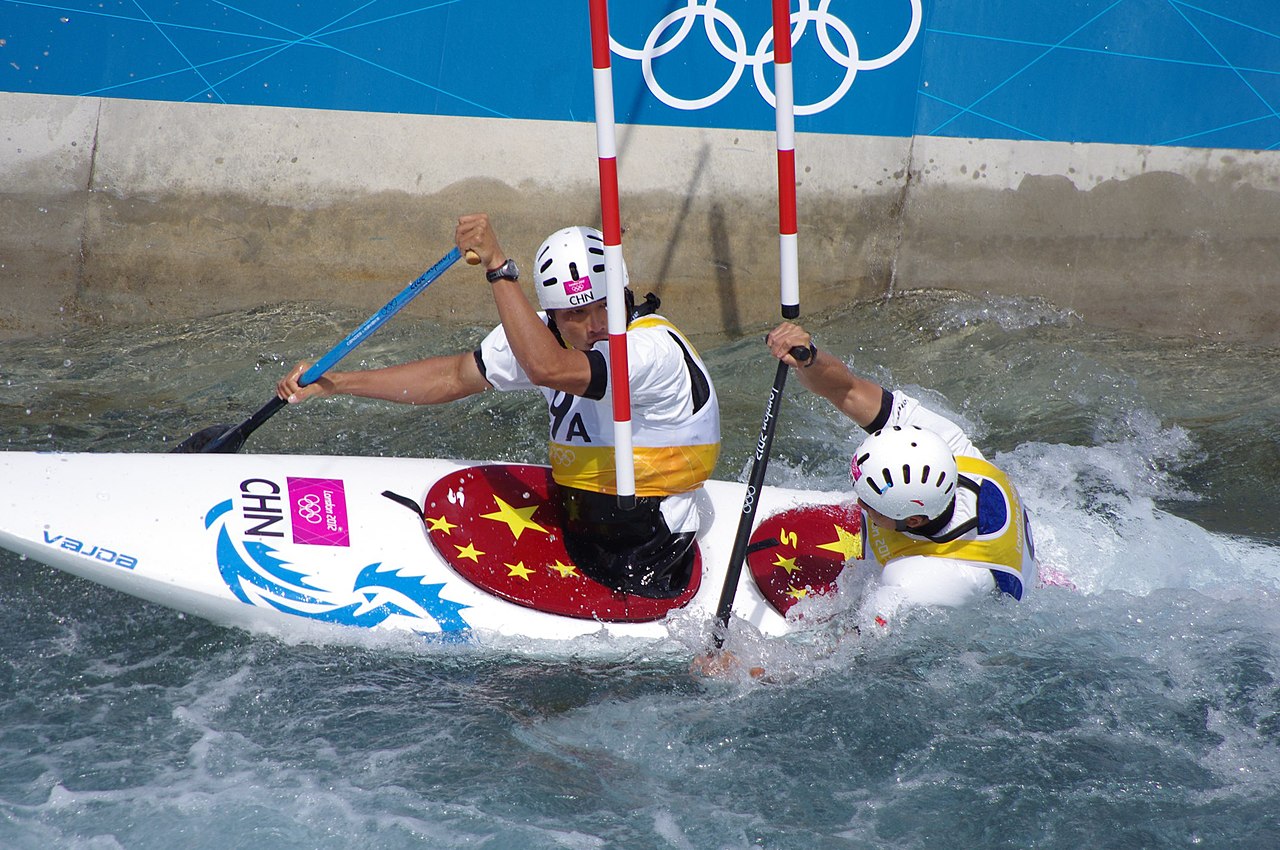
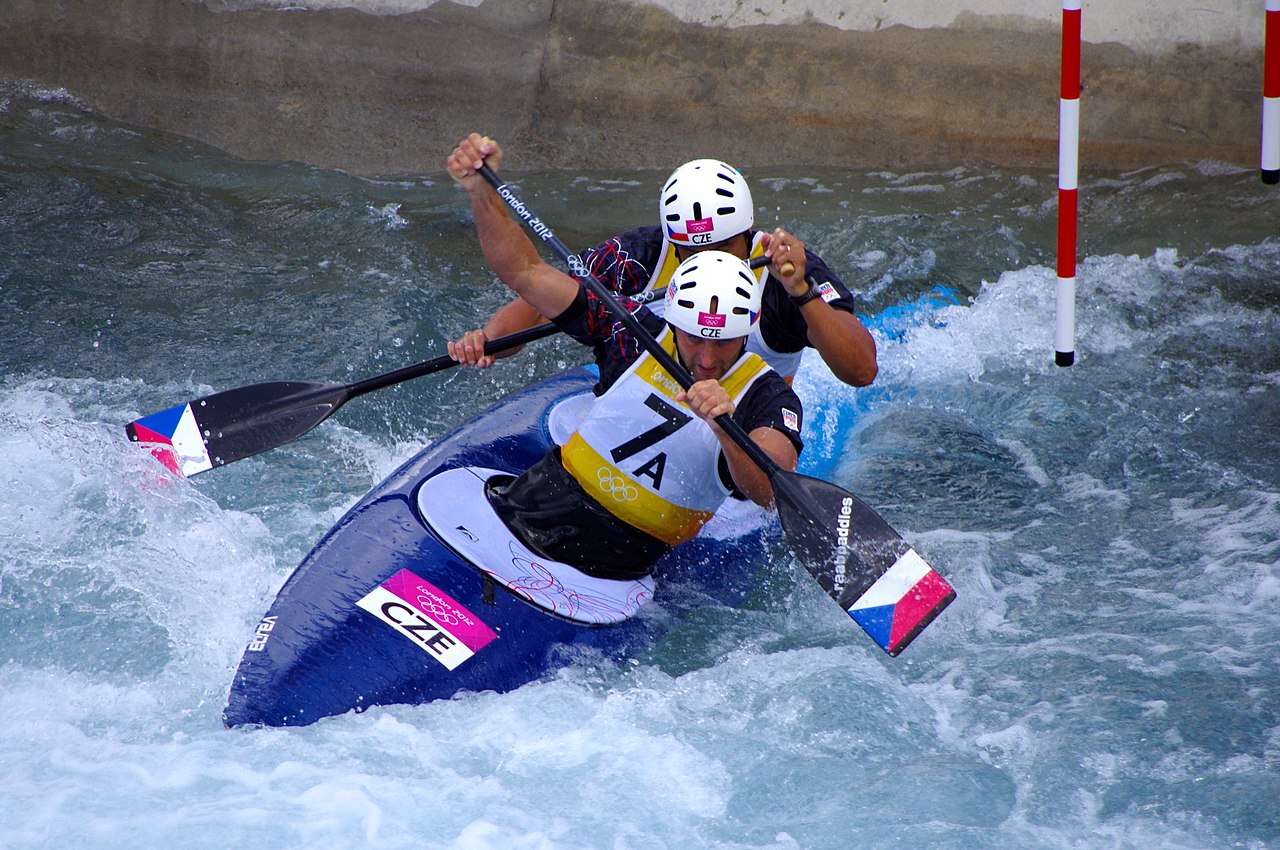
Canoeing at the 2012 Summer Olympics featured slalom and sprint disciplines.

HowardMorland · CC BY 3.0
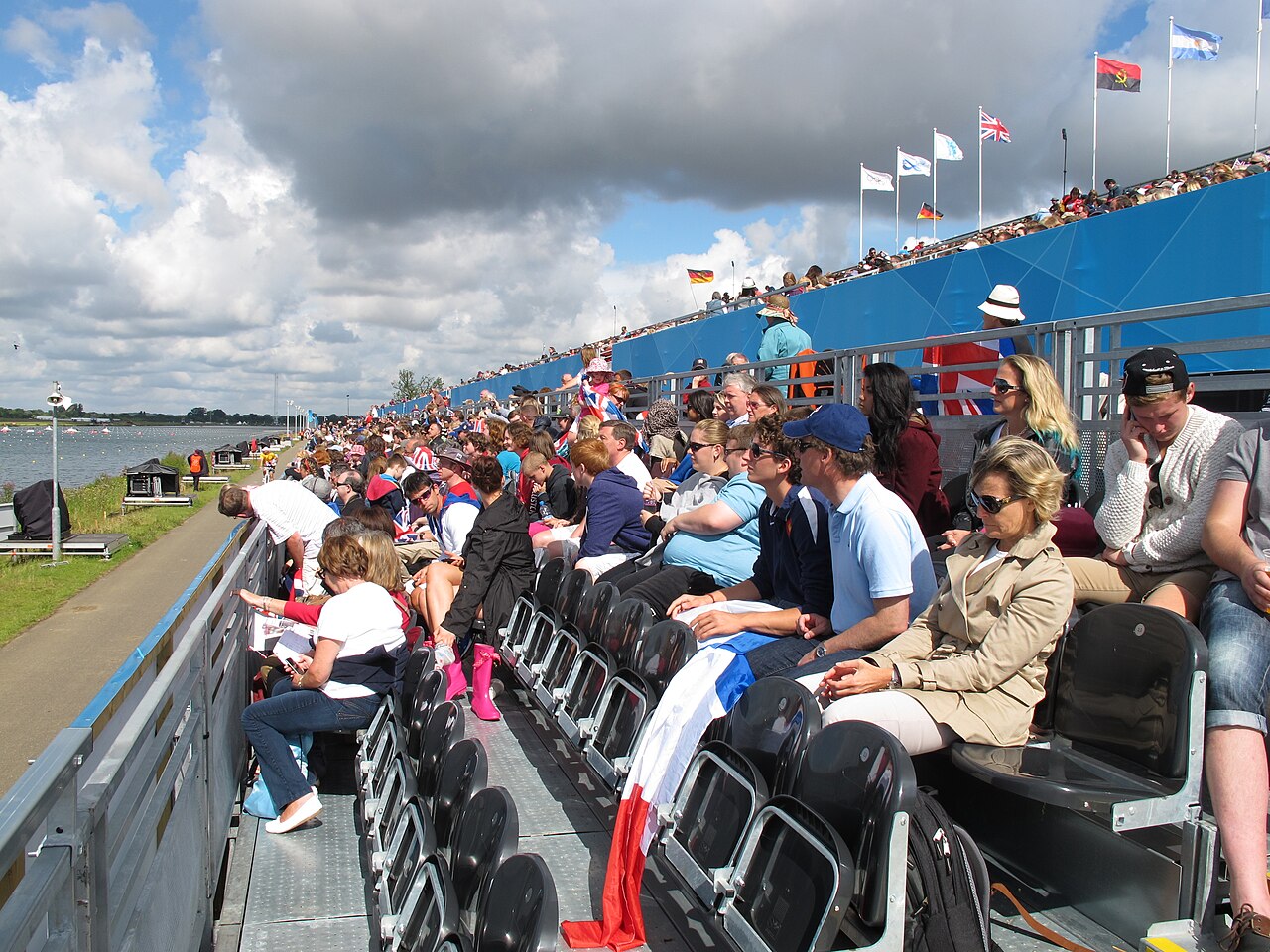
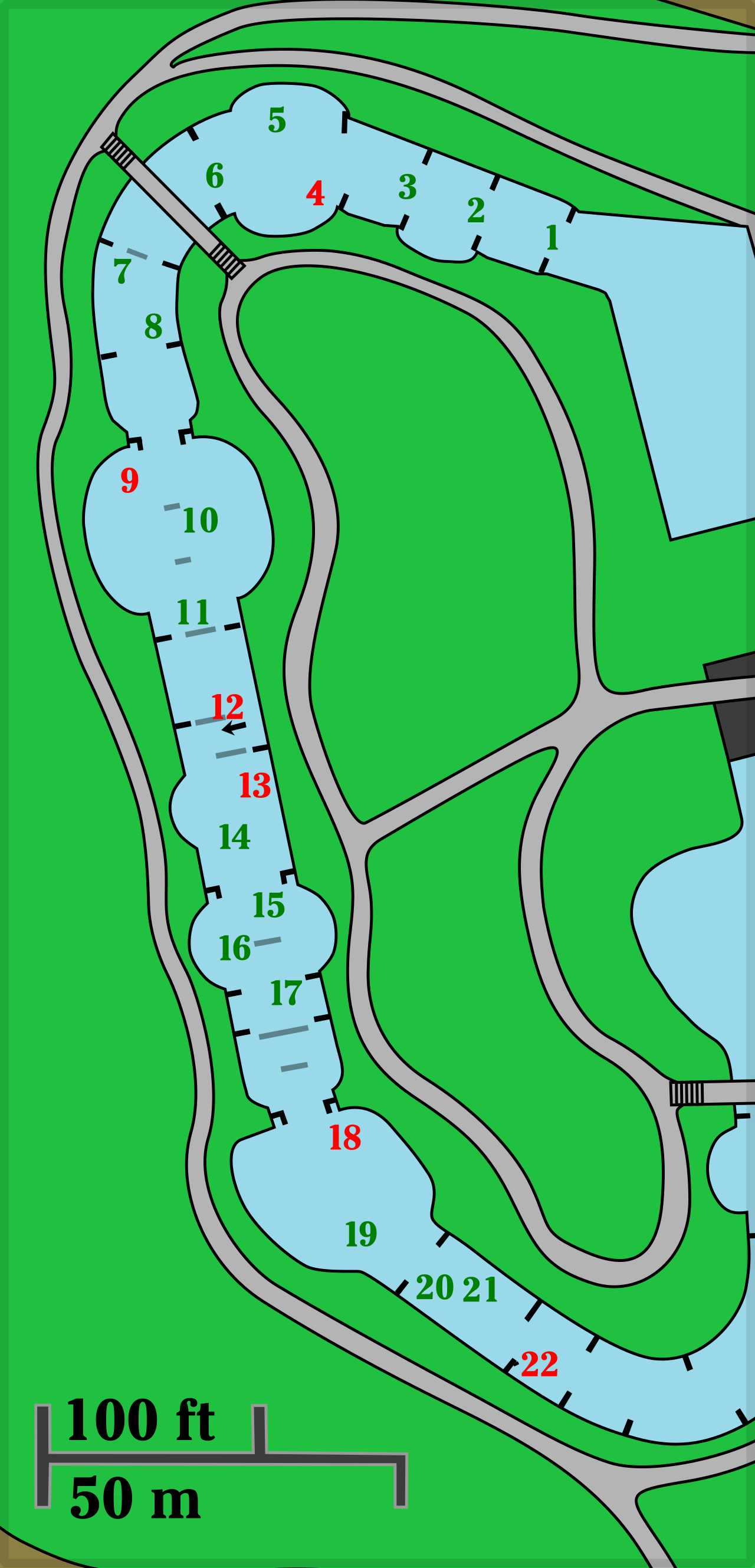
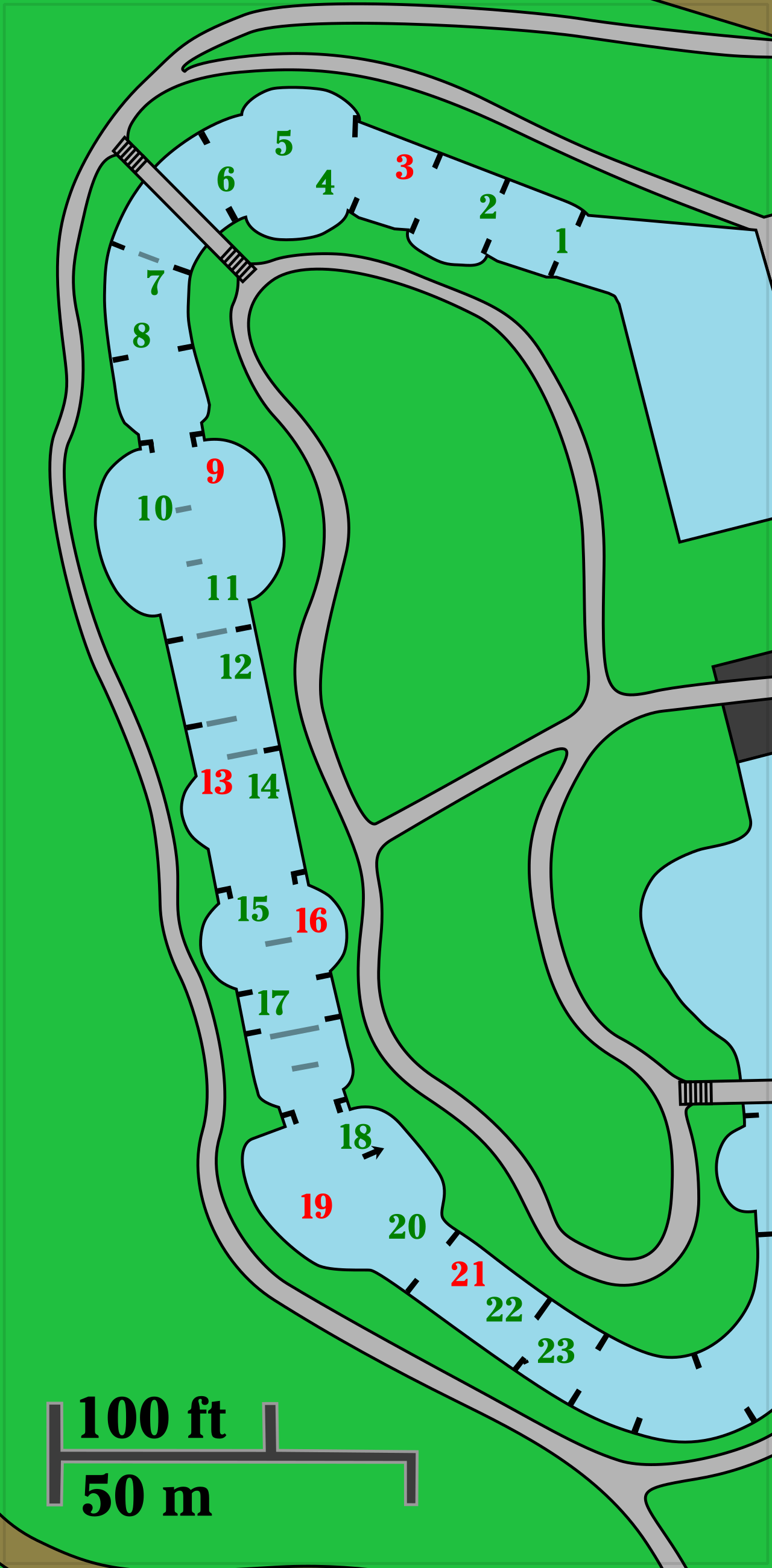
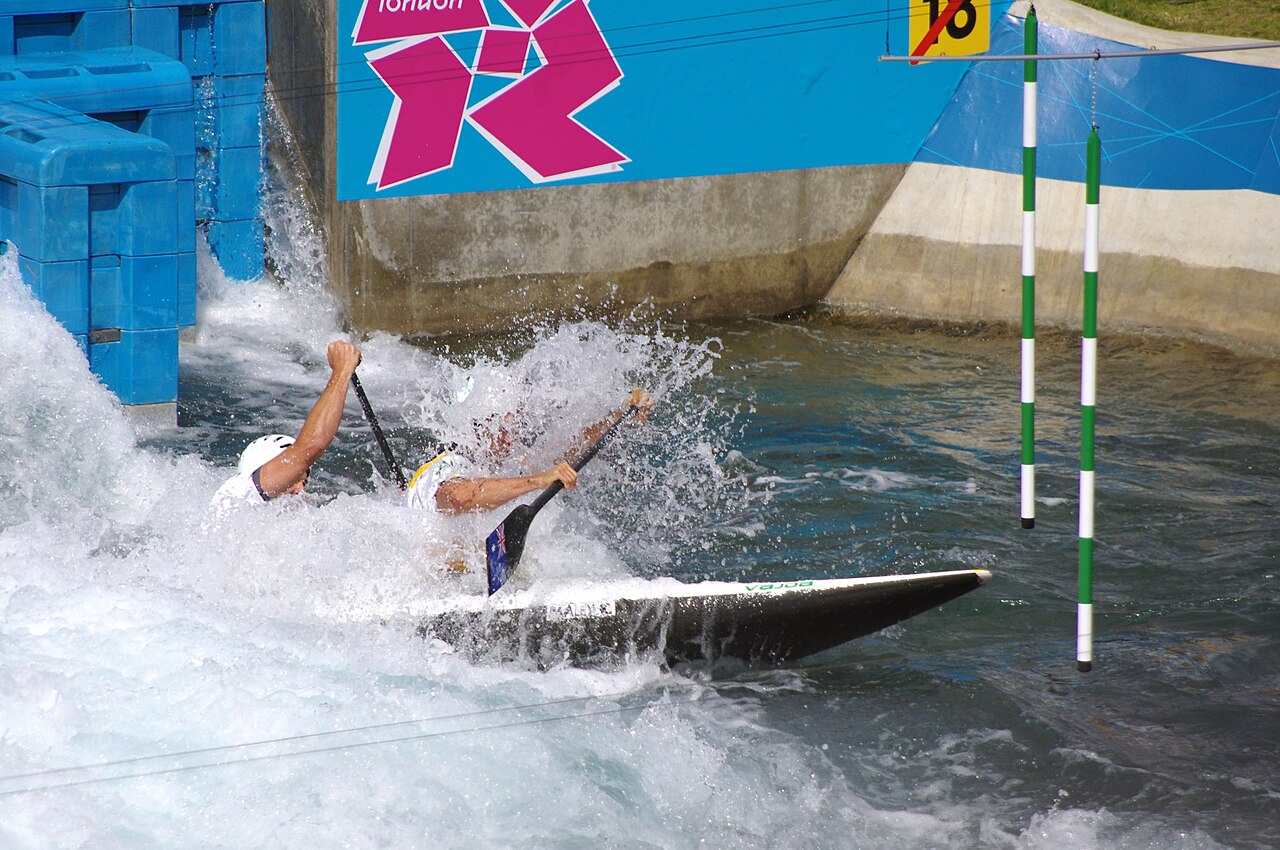
Canoeing at the 2012 Summer Olympics in London featured two disciplines: canoe slalom and canoe sprint. The slalom events were held from 29 July to 2 August at the Lee Valley White Water Centre, while the sprint events took place from 6 to 11 August at Eton College Rowing Centre (Eton Dorney). Around 330 athletes competed in 16 events, with notable changes to the program including the replacement of the men's C-2 500m with a men's C-2 1000m and the introduction of a women's K-1 200m sprint, marking the first time women competed in two individual sprint events.
- field
- Canoeing
- events
- 16 (4 slalom, 12 sprint)
- athletes
- Around 330
- dates
- 29 July – 11 August 2012
- venues
- Lee Valley White Water Centre (slalom), Eton Dorney (sprint)
- most_successful_nation_slalom
- France (2 gold)
- most_successful_nation_sprint
- Hungary (3 gold, 2 silver, 1 bronze)
Lore & Background
The 2012 Olympic canoeing program saw significant changes confirmed at an International Canoe Federation board meeting in Windsor, Berkshire, on 5 December 2009. The men's C-2 500m was replaced by a men's C-2 1000m, while the men's 500m sprints were not simply replaced by a 200m race—only the C-2 500m was swapped for the longer distance. This allowed women to compete in two individual sprint events for the first time. Because of these changes, the finals were spread over three days, continuing a format already used at the 2008 Olympics.
Reader's Guide
The 2012 canoeing competition marked a shift toward gender equity in sprint events, with women gaining a second individual event. France dominated the slalom with two gold medals, while Hungary led the sprint medal count with three golds. Germany topped the overall medal table with three gold, two silver, and three bronze medals. A new qualification system was created for both disciplines, with quotas set in July 2010. The event also saw a later controversy: on 12 June 2019, the IOC stripped Lithuanian canoeist Jevgenij Shuklin of his silver medal in the men's C-1 200m sprint.
Did You Know?
- The men's C-2 500m was replaced by a men's C-2 1000m for the 2012 Games, not by a 200m race.
- The claim that the men's 500m sprints were replaced by a 200m race is oversimplified; only the C-2 500m was replaced, and by a 1000m event, not a 200m.
- The finals were spread over three days, a format also used at the 2008 Olympics.
- On 12 June 2019, the IOC stripped Lithuanian canoeist Jevgenij Shuklin of his silver medal.
The Unprecedented Dual-Award Bidding
When the IOC unveiled its shortlist of five candidate cities for the 2024 Games in September 2015, the field included Budapest, Hamburg, Los Angeles, Paris, and Rome. Within a short window, three of those five pulled out, leaving only Los Angeles and Paris. The committee had seen a similar collapse during the 2022 Winter Olympics bidding, where four cities withdrew before a two-way decision. Recognizing the parallel, Olympic officials met with both bid committees in Denmark in April 2017 to explore naming two winners at once. By July, an Extraordinary IOC Session in Lausanne approved the unprecedented plan to award both the 2024 and 2028 host cities in a single cycle. Paris, whose 2024 Games would mark the centennial of its 1924 Olympics, was the natural fit for the earlier slot. On July 31, the IOC confirmed Los Angeles as the sole 2028 candidate, backed by $1.8 billion in additional funding. The city council gave unanimous approval in August, and on September 13, 2017, at the 131st IOC Session in Lima, Peru, the city received the Games through a unanimous vote. IOC president Thomas Bach highlighted the bid's emphasis on existing and temporary venues and its complete dependence on private funding.
Transportation Ambitions Meets Infrastructure Realities
Los Angeles civic leaders initially envisioned a fully car-free Olympic experience, aiming to cut congestion and comply with security restrictions that limit parking near venues. Mayor Eric Garcetti launched the Twenty-eight by '28 initiative, a plan to complete 28 infrastructure projects before the Games, funded through countywide sales tax measures known as Measure R and Measure M. Mayor Karen Bass later added strategies such as encouraging remote work during the event to ease pressure on the transportation network. However, by March 2024 the original list had been significantly revised: eleven projects, including five rail line expansions, were swapped for smaller, more feasible alternatives. By late 2024, observers flagged that only 5.2 percent of LA Metro's $3.3 billion Olympic-related project list was actually funded, with several initiatives running behind schedule. Compounding the problem were staffing uncertainties, interagency coordination gaps, and the late finalization of the Olympic venue list. Faced with these challenges, civic leaders pivoted away from the car-free ideal toward a more pragmatic transit-first approach. Among the key rail projects, the D Line extension is being built in three phases, with construction dating back to 2014. The Regional Connector, completed in 2023, links Metro light rail lines in downtown Los Angeles to simplify transfers.
A Historic Milestone for a Three-Time Host
Hosting the 2028 Summer Olympics will mark the fifth Summer Games and the ninth Olympic Games overall held on American soil. Los Angeles, which previously staged the Summer Olympics in 1932 and 1984, will join an elite group of three-time host cities. Only London—1908, 1948, 2012—and Paris—1900, 1924, 2024—have achieved that distinction before. What makes Los Angeles's third hosting truly remarkable is that it will be the first non-European city to do so, breaking a long-standing geographic pattern in Olympic history. The 2028 Games will also carry unique administrative significance: they will be the first Summer Olympics held under the IOC presidency of Kirsty Coventry, marking a new era of leadership for the movement. The bid drew strong local and state support. California officially endorsed the LA 2028 campaign in October 2017, and by August 2018, Olympic officials had made a two-day visit for meetings with local organizers and tours of the newest venues. Early polls showed more than 88 percent of Angelenos in favor of hosting, though a March 2023 Suffolk University and LA Times poll revealed a more divided picture, with 57 percent viewing the Games positively and 20 percent seeing a negative impact.
A Refreshed and Expanded Sports Program
The 2028 Los Angeles Games, scheduled from July 14 to 30, will feature a notably refreshed sports program that reflects the IOC's ongoing effort to modernize the Olympic roster. Three sports that debuted as optional events in 2020—skateboarding, sport climbing, and surfing—have now been elevated to the core event program, cementing their permanent place in the Olympic calendar. Beyond those promotions, the 2028 Games will see the debut of flag football and squash as optional sports, broadening the range of athletic disciplines on display. The program also welcomes back several sports with deep Olympic histories. Baseball and softball return to the lineup, cricket makes its long-awaited comeback for the first time since 1900, and lacrosse reappears as a medal event for the first time since 1908. This blend of new additions and historic returns signals a deliberate strategy to attract younger audiences while honoring the Games' century-old traditions. The events will not be confined to a single urban core; competitions are spread across the Greater Los Angeles area, with two additional subsites located in Oklahoma City, extending the geographic footprint of the Games well beyond the host city's borders.
Gallery
Frequently Asked Questions
Where were the canoeing events held at the 2012 London Olympics?
Slalom racing took place at the Lee Valley White Water Centre, while sprint competition was staged at Eton Dorney (Eton College Rowing Centre).
How many events and athletes were part of canoeing at the 2012 Summer Olympics?
The program comprised 16 events—four slalom and twelve sprint races—with roughly 330 competitors taking part across both disciplines.
What notable program changes appeared in the 2012 Olympic canoeing schedule?
The men's 500-meter sprint was replaced by a 200-meter race, and a women's K-1 200m sprint was introduced, marking the first time women contested two individual sprint events at the Games.
When did canoeing take place at the 2012 London Games?
Slalom events ran from 29 July through 2 August, followed by sprint competition from 6 to 11 August 2012.
Which country was the most successful in slalom at the 2012 Olympics?
France topped the slalom medal table by securing two gold medals, making them the standout nation in that discipline.
More in Canoeing at the Summer Olympics 1-23
Spotted an error? Know more?
This is a living reference — every entry is fact-audited, and reader corrections feed straight into our audit queue. Suggest an edit · See this site's audit record